
Rareform

Corporate Spotlight: Sumo Citrus x Rareform - Turning 5 Billboards into Custom Zion Sling Bags
Sumo Citrus turned 5 retired national billboards into one seriously juicy collab. We upcycled 16,800 square feet of campaign vinyl into a fully custom Zion Sling Bag, complete with a pocket sized to actually hold a Sumo mandarin. Half a ton of material diverted, one bold second act.
Learn more
What Are Upcycled Bags Made Of?
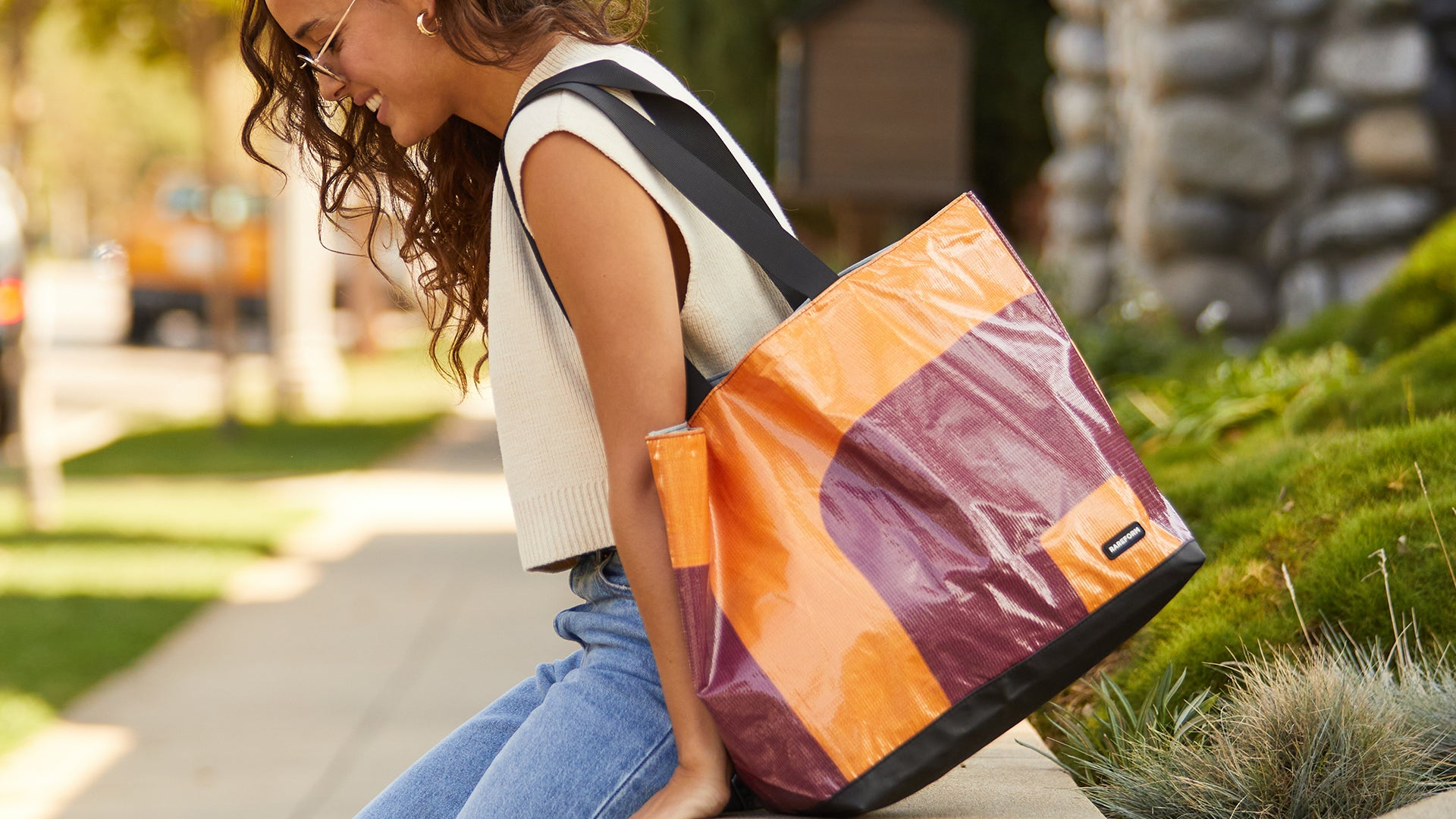
If you have been searching for a more sustainable way to carry your everyday essentials, you have probably come across the term upcycled bags. But what exactly goes into making them? Understanding the materials behind upcycled bags helps you make smarter, more conscious purchasing decisions and appreciate just how innovative sustainable fashion has become. At Rareform, every bag starts its life as something else entirely. What Is Upcycling? Upcycling is the process of taking discarded or waste materials and transforming them into something of higher quality or greater value. Unlike recycling, which typically breaks materials down into raw components, upcycling repurposes materials in a way that preserves or enhances their original properties. The result? Products that are not only functional and stylish, but also meaningfully better for the planet. In the bag world, upcycling means sourcing materials that would otherwise end up in a landfill and crafting them into durable, one-of-a-kind accessories. The waste becomes the design. Materials Used in Upcycled Bags The most common material used in Rareform bags is billboard vinyl. Yes, those massive outdoor advertising banners you see on highways and city streets. After a campaign ends, billboards are typically thrown away. Rareform intercepts that vinyl before it reaches the landfill and hand-cuts it into bags, totes, backpacks, slings, and accessories. Why vinyl? Outdoor billboard vinyl is engineered to withstand sun, rain, wind, and UV exposure for months or years at a time. That means it is naturally waterproof, incredibly durable, and resistant to the kind of wear and tear that destroys lesser bags. When repurposed into a Rareform bag, that same toughness works in your favor every single day. Other upcycled bag brands may use materials like denim scraps, leather off-cuts, old tarpaulins, or surplus fabric from fashion manufacturers. The common thread is that all these materials would have otherwise been wasted. Environmental Benefits of Upcycled Bags When you buy an upcycled bag, you are doing more than just avoiding fast fashion. You are actively diverting material from the waste stream. Consider that a single billboard can be the size of a small room. The amount of vinyl Rareform rescues each year adds up to thousands of pounds of material kept out of landfills. Beyond waste reduction, upcycling also requires far less energy than manufacturing new materials. No new raw resources are extracted. No energy-intensive textile production is needed. The carbon footprint of an upcycled bag is a fraction of a conventionally made bag. Rareform is a certified B Corporation, meaning it meets rigorous standards for social and environmental performance. Every purchase directly supports that mission. Frequently Asked Questions Are upcycled bags as durable as regular bags? Absolutely. Because Rareform uses billboard vinyl, a material specifically engineered for long outdoor exposure, its upcycled bags are often more durable than conventionally made bags. They are waterproof, easy to clean, and built to last for years. Is every upcycled bag unique? Yes. Because each bag is hand-cut from a different section of a billboard, no two Rareform bags are identical. The colors, graphics, and patterns you get depend on which billboard your material came from. That makes each bag a truly one-of-a-kind piece. Can upcycled bags be washed? Yes. Vinyl bags can be wiped clean with a damp cloth or mild soap and water. They do not require machine washing and dry quickly, making them ideal for everyday use. Ready to own a bag with a story? Explore Rareform full collection of upcycled bags, totes, backpacks, slings, and more at rareform.com.
Learn more
2026 Green Sports Alliance Summit Recap: Circular Solutions for Sports is Here
We attended the 2026 Green Sports Alliance Summit in Philadelphia and the passion for innovative and sustainable solutions was strong. Teams, venues, and leagues are ready to turn their materials into something meaningful and the ideas are just getting started. Here's what we heard on the floor.
Learn more
What Materials Can Be Upcycled for Custom Rareform Projects?
One of the most common questions our corporate team gets is simple: “Can this material be upcycled?” Short answer: probably yes.Longer answer: let’s break it down in plain English. No sustainability background required. Think of upcycling like cooking at home. You do not need Michelin star ingredients. You just need materials that still have some life left in them. That being said, not all ingredients are created equal. So let’s take a look at what tends to work best. Common Upcycled Materials We See in Corporate Projects Some of the most upcycle friendly materials for corporate projects and corporate gifting include: Billboard vinyl (7 oz, 9 oz). This is our bread and butter and what Rareform was built on. But it does not stop there. We also regularly upcycle: Event banners and signage from festivals, conferences, stadiums, and trade shows. Mesh materials and fabrics such as building wraps and fence banners. Polyester signage and other durable printed materials used for booth activations. Textiles like denim, cotton, and other heavy duty fabrics. A simple rule of thumb: If it was designed to survive outdoors, crowds, shipping, or repeated use, it is usually a strong candidate for upcycling. Billboard vinyl and event signage, in particular, are some of the most common materials used in upcycled corporate gifts and branded products. What Makes a Material a Good Fit for Upcycling? Think of upcycling like a recipe. The better the ingredients, the easier the outcome. When evaluating materials for upcycled corporate projects, we look at a few key things: DurabilityWill the material hold up long term? Corporate gifts and branded products should last longer than the event they came from. Print CoverageSolid colors, bold graphics, or mixed patterns can all work. Each creates a different final look. Design FlexibilityBold colors and patterns create more one of a kind, expressive productsNeutral tones create more consistent collections We also offer patchwork designs, where materials are cut into smaller pieces and recombined into a unique color mashup. This allows brands to use more of their material while creating something visually interesting and completely unique. With certain materials, we can even use the backside, which opens the door to clean, all black or more minimal corporate collections. Condition vs. Perfection Minor scuffs or marks are completely fine. Major cracking or brittleness is harder to work around. Our team reviews all material to make sure the final product is something we are proud to put our name on. Materials That Usually Do Not Work (and Why) Not everything is meant to be upcycled and that is okay. Materials that are typically not a good fit include: Extremely brittle or cracking materialsItems that cannot be cleaned easily or safelyHeavy logo or sponsorship coverage you do not want reusedFaces or body parts. They get awkward fast. Imagine an eye cut into thirds. If something is not a good fit, we will flag it early so you can plan accordingly. Design Considerations for Upcycled Corporate Products Upcycled products naturally embrace variation.No two items are exactly alike and that is part of the story. But variation does not mean randomness. Logos, text placement, scale, and color balance are all carefully cut and designed by our team so the final product feels premium, cohesive, and brand aligned, not leftover or accidental. The goal is always the same: Designed with intention, not just reused. FAQs About Upcycled Corporate Materials Do colors need to match exactly?No. Variation is expected and often celebrated. However, there are design approaches we can use to introduce consistency if that is important for your brand. Can damaged materials still work?Sometimes. We can often cut around damage depending on product size and the amount of usable material available. What if we have multiple material types?That is completely fine and often results in a richer final collection. Mixing materials is part of what makes upcycled corporate projects interesting. The Bottom Line If you are sitting on old banners, signage, or materials and wondering whether they are “good enough,” chances are they are. Upcycling is not about perfection. It is about turning materials you already have into products you already buy and products people actually use, keep, and talk about. And even if you do not have material but want to be part of the upcycling story, we can source material for you so you can still create unique products that carry your mission and vision forward. Because sometimes the most interesting products do not come from new materials. They come from materials that already have a story.
Learn more
What Happens to Billboard Vinyl After a Campaign Ends?
Billboards are designed to perform while they are live. Once a campaign comes down, the vinyl is removed quickly so crews can move on to the next installation. After that point, the material typically leaves the spotlight and becomes an operational consideration rather than a creative one. For many OOH teams, what happens next is not always planned in advance, largely because there is rarely an immediate need to decide. The vinyl is off the board, the campaign is complete, and attention shifts elsewhere. The Traditional Path Most billboard vinyl follows one of three paths: Stored in a warehouse “just in case” Shipped somewhere else and stored Discarded once storage and logistics become too much Recycling often comes up as a potential solution, but billboard vinyl is heavy, bulky, and complex to process. Transportation alone can sometimes cost more than the value of the material itself. As a result, vinyl often remains in storage while teams weigh options or wait for a practical next step. The Hidden Challenges No One Talks About Billboard vinyl behaves a lot like any other large-format material. It is durable enough to withstand weather while installed, but not necessarily designed for repeated handling or long-term storage. Over time, common challenges include: Storage costs that add up as material accumulates Material degradation such as creases, cracking, or fading Limited reuse options once condition declines From a materials perspective, traditional PVC vinyl also has a very long lifespan, which can complicate end-of-life decisions. This is less about intent and more about the realities of working with large-scale, durable substrates. Option #3: Recycling or Downcycling (When Possible) In some cases, billboard materials can be recycled or downcycled, though this option depends heavily on location, material type, and available infrastructure. When this path is available, vinyl may be: Shredded and processed into industrial materials Melted and converted into lower-grade plastic products This approach can keep material out of disposal streams, but it also comes with tradeoffs: Recycling options are often region specific The material typically loses its original form and quality Costs and logistics may outweigh the practical benefit Because of these constraints, recycling billboard vinyl tends to be situational rather than a standard solution across the industry. A Different Approach: Upcycling Some teams choose to plan for reuse earlier in the campaign lifecycle. In these cases, the question shifts from “What do we do with this later?” to “Is there a defined use for this material once it comes down?” At a high level, the process looks like this: Vinyl is collected and reviewed It is processed and cut at a warehouse Pieces are sent to manufacturing partners Finished products are delivered back to the brand This approach allows material that was visible for a limited time to remain in circulation in a different form. For some brands, this is tied to sustainability goals. For others, it is simply a way to create something functional from materials that already exist. Many organizations already invest in branded merchandise. In those cases, upcycling can connect that spend back to a completed campaign in a tangible way. Where This Shows Up in the Real World When reuse is planned, upcycled billboard vinyl is often used for: Client, investor, and employee gifts Conference and tradeshow swag Stadium, festival, and event merchandise Internal brand storytelling pieces Sustainability-forward merch stores Rather than focusing on the process itself, teams often reference the origin of the material by saying, “This used to be part of our campaign,” which provides context without requiring additional explanation. A Thought to Leave You With Most decisions about billboard vinyl happen after a campaign ends, when time and space are already limited. For teams that prefer to plan ahead, having a defined path can simplify what happens next. For others, existing workflows continue to serve their needs. There is no single right approach. The value comes from understanding the options before the vinyl is already rolled up and waiting. What Happens to Billboard Vinyl After a Campaign Ends? Most billboard campaigns are designed to be temporary. They go up, they do their job, and then they come down. What happens next is something most people never see. Once a campaign ends, billboard vinyl is removed quickly so crews can move on to the next installation. At that point, the material often becomes an operational detail rather than a creative one. It’s rolled, stored, or moved offsite while attention shifts to whatever comes next. At Rareform, this in-between moment is where our work begins. Billboard vinyl is built to last. It’s designed to withstand sun, wind, and weather for months at a time. And even after it comes down, it still has plenty of life left. The challenge is that it’s also bulky, heavy, and difficult to recycle at scale, which means many teams aren’t sure what to do with it once a campaign ends. Instead of treating that moment as an afterthought, we focus on planning reuse earlier. By giving retired billboard materials a clear next step, vinyl that once lived out in the world can be transformed into everyday bags and accessories. Each piece carries details from its original life, making it one of a kind. For Rareform customers, this is what makes each product one-of-a-kind. Every bag is made from real campaign material, and you can see that history in the graphics, colors, and natural wear. The designs you see once lived out in the world before becoming a bag. That is why no two products are ever the same. If you work in out of home advertising, manage billboard assets, or know someone who does, that same material can become something custom. We partner with brands to transform retired banners into bags and accessories for client gifts, merch stores, employee onboarding kits, and event giveaways. When a campaign comes down, it does not have to end there. It can continue in a form people use every day. If you are interested in exploring a custom project or learning more about how it works, visit our corporate page here.
Learn more
The Story Behind Rareform: From Billboards to One-of-a-Kind Gear
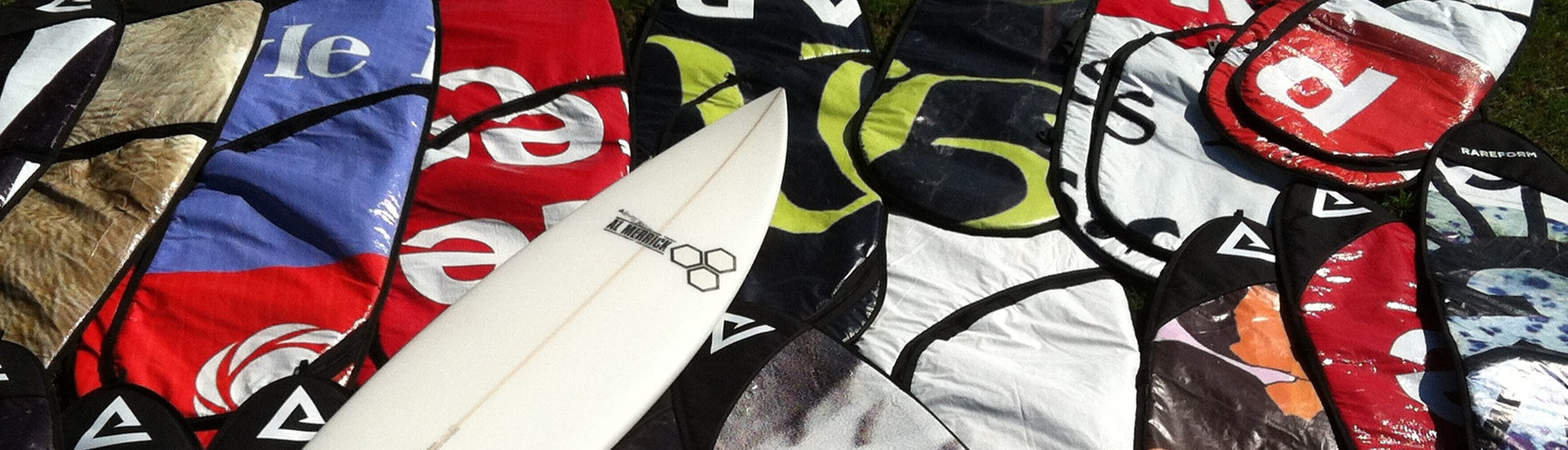
At Rareform, every product has a story — literally. What started as a simple idea during a surfing trip has grown into a mission-driven brand that transforms discarded billboards into durable, stylish bags and accessories with a story worth sharing. Where It All Began The journey began in Los Angeles in 2012 when brothers Alec and Aric noticed something unusual while traveling in El Salvador — large billboard vinyls were being repurposed by locals as roofing material because they were durable and weather-resistant. That moment sparked an idea: what if these massive, nearly indestructible materials could be given new life as products people use every day? And so Rareform was born — with a mission to turn waste into something meaningful. Step 1 — Sourcing the Material Billboards are typically made from PVC and PE vinyl, materials that are tough, waterproof, and difficult to recycle through traditional channels. Instead of letting them end up in landfills, Rareform works with partners across the United States to: Collect used billboard vinyl Transport it back to facilities Sort it by size, color, and quality The result? A constant stream of interesting, vibrant material ready for transformation. Step 2 — Cleaning and Cutting Once the billboard vinyl arrives at Rareform’s workshop: Each piece is carefully washed to remove dirt, adhesives, and any residue. Billboards are hand-cut into panels and pieces, which become the building blocks for products. This hands-on approach ensures quality — and means that each cut is slightly different, contributing to the uniqueness of the final product. More than just manufacturing, this step is about craftsmanship. Step 3 — Crafting One-of-a-Kind Products Now comes the design and assembly phase: Pieces of cleaned, sorted billboard vinyl are sewn into bags, slings, totes, backpacks, coolers, and accessories. Because the source material comes from billboards of different sizes, colors, and graphics, no two products are the same — every item is unique. The team pays close attention to detail, constructing pieces that aren’t only eye-catching but also: Durable Water-resistant Ready for everyday use This combination of sustainability and style has become a hallmark of Rareform gear. Step 4 — Reducing Waste and Boosting Sustainability Rareform’s entire process is rooted in environmental impact: Thousands of pounds of billboard vinyl are kept out of landfills every month, giving new life to what was once waste. Scraps and leftover pieces are thoughtfully used to create smaller products — minimizing waste even further. This approach aligns with a broader commitment to ethical production, environmental stewardship, and creative reuse — all while crafting products that resonate with conscious consumers. Step 5 — Sharing the Story Beyond making products, Rareform places emphasis on storytelling. Each item reflects a narrative: 👉 Where it came from (a billboard once displayed outdoors)👉 How it was transformed (washed, cut, sewn)👉 Where it’s headed next (your everyday bag, backpack, or accessory) This storytelling element isn’t just branding — it’s a way to connect consumers with the impact behind their purchase. Why It Matters Rareform isn’t just about bags and accessories — it’s about reimagining waste as opportunity: Reducing landfill impact Celebrating craftsmanship Designing products with character and purpose Encouraging consumers to think differently about the materials around them And that’s the heart of the Rareform process — a simple idea turned into a meaningful journey from billboard to bag.
Learn more