
Billboards are designed to perform while they are live. Once a campaign comes down, the vinyl is removed quickly so crews can move on to the next installation. After that point, the material typically leaves the spotlight and becomes an operational consideration rather than a creative one.
For many OOH teams, what happens next is not always planned in advance, largely because there is rarely an immediate need to decide. The vinyl is off the board, the campaign is complete, and attention shifts elsewhere.
The Traditional Path
Most billboard vinyl follows one of three paths:
- Stored in a warehouse “just in case”
- Shipped somewhere else and stored
- Discarded once storage and logistics become too much
Recycling often comes up as a potential solution, but billboard vinyl is heavy, bulky, and complex to process. Transportation alone can sometimes cost more than the value of the material itself. As a result, vinyl often remains in storage while teams weigh options or wait for a practical next step.
The Hidden Challenges No One Talks About
Billboard vinyl behaves a lot like any other large-format material. It is durable enough to withstand weather while installed, but not necessarily designed for repeated handling or long-term storage.
Over time, common challenges include:
- Storage costs that add up as material accumulates
- Material degradation such as creases, cracking, or fading
- Limited reuse options once condition declines
From a materials perspective, traditional PVC vinyl also has a very long lifespan, which can complicate end-of-life decisions. This is less about intent and more about the realities of working with large-scale, durable substrates.
Option #3: Recycling or Downcycling (When Possible)
In some cases, billboard materials can be recycled or downcycled, though this option depends heavily on location, material type, and available infrastructure.
When this path is available, vinyl may be:
-
Shredded and processed into industrial materials
-
Melted and converted into lower-grade plastic products
This approach can keep material out of disposal streams, but it also comes with tradeoffs:
- Recycling options are often region specific
- The material typically loses its original form and quality
-
Costs and logistics may outweigh the practical benefit
Because of these constraints, recycling billboard vinyl tends to be situational rather than a standard solution across the industry.
A Different Approach: Upcycling
Some teams choose to plan for reuse earlier in the campaign lifecycle. In these cases, the question shifts from “What do we do with this later?” to “Is there a defined use for this material once it comes down?”
At a high level, the process looks like this:
- Vinyl is collected and reviewed
- It is processed and cut at a warehouse
-
Pieces are sent to manufacturing partners
-
Finished products are delivered back to the brand
This approach allows material that was visible for a limited time to remain in circulation in a different form. For some brands, this is tied to sustainability goals. For others, it is simply a way to create something functional from materials that already exist.
Many organizations already invest in branded merchandise. In those cases, upcycling can connect that spend back to a completed campaign in a tangible way.
Where This Shows Up in the Real World
When reuse is planned, upcycled billboard vinyl is often used for:
- Client, investor, and employee gifts
- Conference and tradeshow swag
- Stadium, festival, and event merchandise
- Internal brand storytelling pieces
-
Sustainability-forward merch stores
Rather than focusing on the process itself, teams often reference the origin of the material by saying, “This used to be part of our campaign,” which provides context without requiring additional explanation.
A Thought to Leave You With
Most decisions about billboard vinyl happen after a campaign ends, when time and space are already limited. For teams that prefer to plan ahead, having a defined path can simplify what happens next. For others, existing workflows continue to serve their needs.
There is no single right approach. The value comes from understanding the options before the vinyl is already rolled up and waiting.
What Happens to Billboard Vinyl After a Campaign Ends?
Most billboard campaigns are designed to be temporary. They go up, they do their job, and then they come down.
What happens next is something most people never see.
Once a campaign ends, billboard vinyl is removed quickly so crews can move on to the next installation. At that point, the material often becomes an operational detail rather than a creative one. It’s rolled, stored, or moved offsite while attention shifts to whatever comes next.
At Rareform, this in-between moment is where our work begins.
Billboard vinyl is built to last. It’s designed to withstand sun, wind, and weather for months at a time. And even after it comes down, it still has plenty of life left. The challenge is that it’s also bulky, heavy, and difficult to recycle at scale, which means many teams aren’t sure what to do with it once a campaign ends.
Instead of treating that moment as an afterthought, we focus on planning reuse earlier.
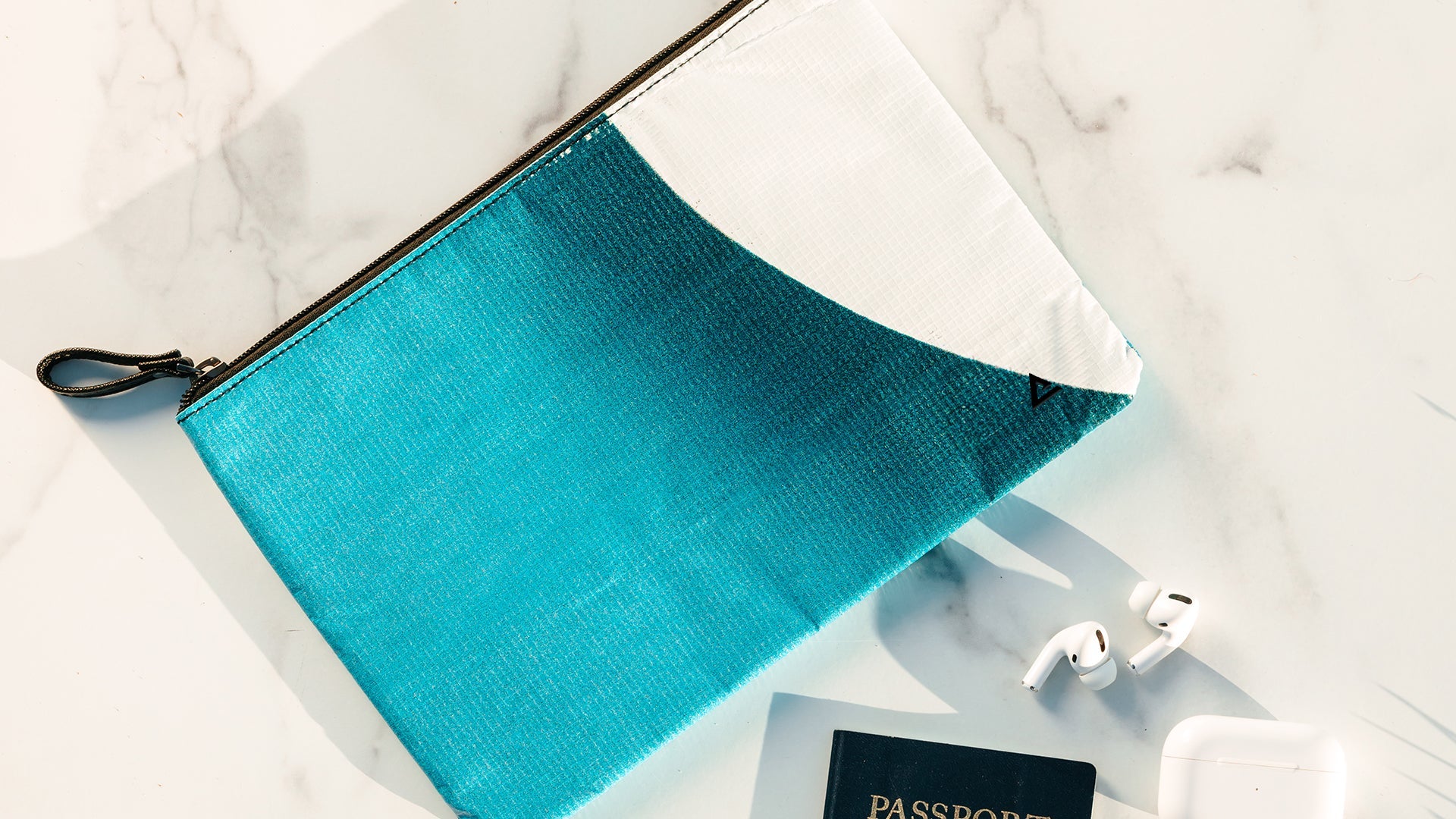
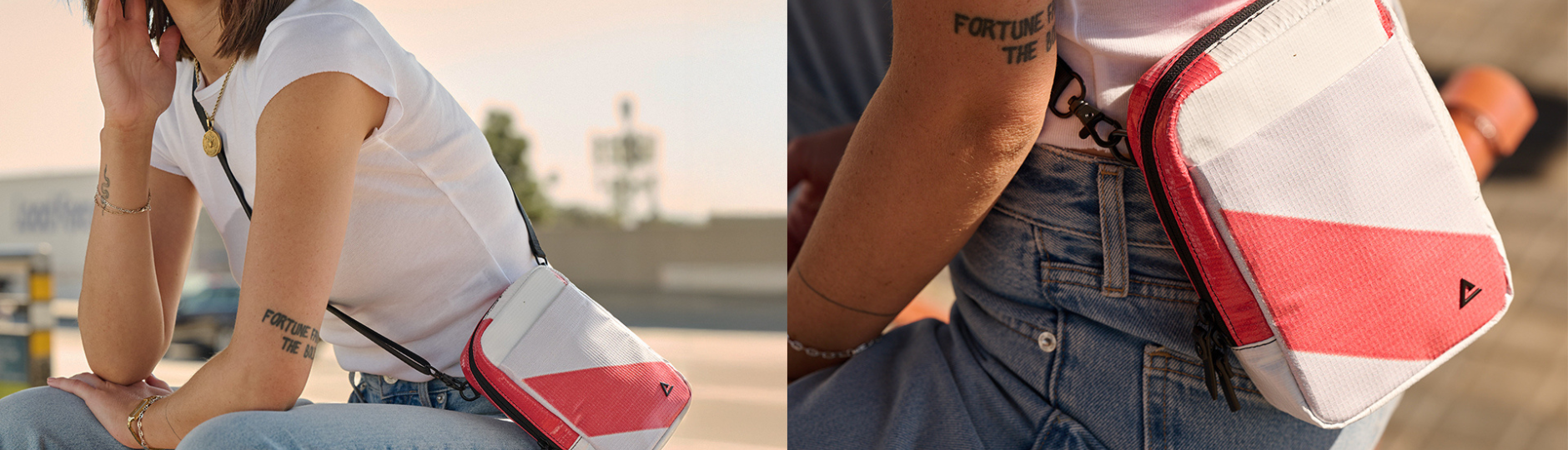
By giving retired billboard materials a clear next step, vinyl that once lived out in the world can be transformed into everyday bags and accessories. Each piece carries details from its original life, making it one of a kind.
For Rareform customers, this is what makes each product one-of-a-kind. Every bag is made from real campaign material, and you can see that history in the graphics, colors, and natural wear. The designs you see once lived out in the world before becoming a bag. That is why no two products are ever the same.
If you work in out of home advertising, manage billboard assets, or know someone who does, that same material can become something custom. We partner with brands to transform retired banners into bags and accessories for client gifts, merch stores, employee onboarding kits, and event giveaways. When a campaign comes down, it does not have to end there. It can continue in a form people use every day.
If you are interested in exploring a custom project or learning more about how it works, visit our corporate page here.